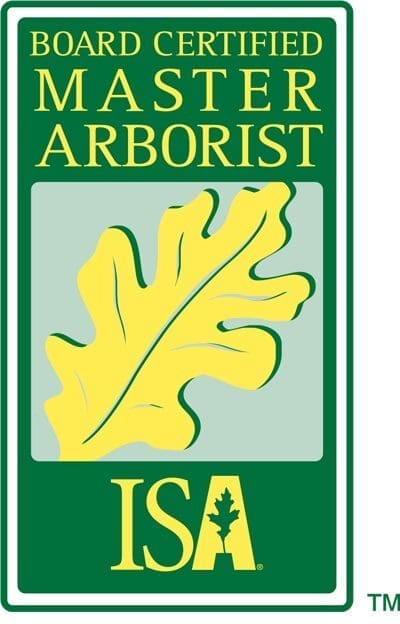
ISA Board Certified Master Arborist
The ISA Board Certified Master Arborist® credential is the highest level of certification offered by ISA. This credential recognizes ISA Certified Arborists® who have reached the pinnacle of their profession. In addition to passing an extensive scenario-based exam, candidates must abide by a Code of Ethics, which ensures quality of work. Fewer than two percent of all ISA Certified Arborists® currently hold this certification.
Who is Eligible to Apply for the ISA Board Certified Master Arborist® Exam?
The ISA Certification Board requires a candidate to be an ISA Certified Arborist® in good standing and have obtained a total of eight points from any or all of the four categories listed in the exam application that include measurable experience, formal education, related credentials, or professional experience. The point values are listed in the exam application form click here to read more.
What is the Format of the ISA Board Certified Master Arborist® Exam?
The examination is made up of 165, multiple-choice questions. Pictures and descriptive information may be included with exam questions when necessary to further explain the scenarios being tested. Each question is multiple choice and has four possible answers listed, only one of which is correct. You will have 4 hours (240 minutes) to complete the written exam. You must pass the exam to obtain the certification.
Science—27%
Practice—38%
Management—35%